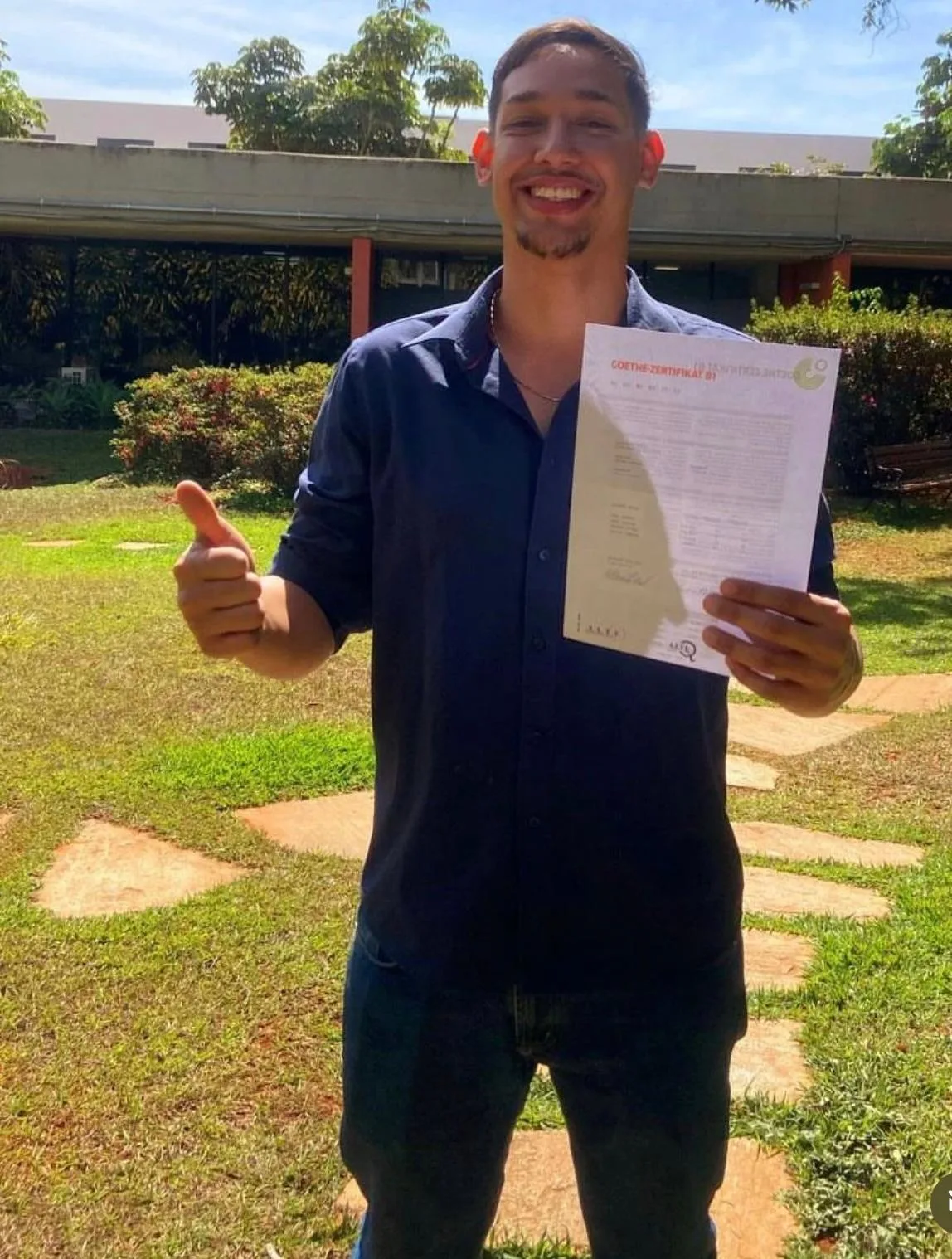
How to Buy a B1 Certificate: A Comprehensive Guide
In today's globalized world, certifications like the B1 language certificate hold significant worth. Whether for educational purposes, professional improvement, or immigration requirements, a B1 certificate often serves as the secret to unlocking a world of opportunities. But when it concerns acquiring this certification, some people look for alternative ways to acquire it, such as purchasing one. In this article, we'll explore what a B1 certificate is, its significance, and the legal and ethical considerations related to purchasing one.
What is a B1 Certificate?
A B1 certificate is a standardized proof of language efficiency at the B1 level as defined by the Common European Framework of Reference for Languages (CEFR). The B1 level represents an intermediate level of language fluency. According to CEFR guidelines, someone at the B1 level must:
Be able to understand the primary points of clear standard input on familiar topics.
Manage situations most likely to occur in areas such as work, school, or travel.
Produce easy linked text on topics of individual interest.
Describe experiences, occasions, dreams, and hopes and provide short descriptions or opinions.
These proficiencies make the certificate an important credential for universities, companies, and migration authorities.
Why is the B1 Certificate Important?
The B1 certificate can serve numerous purposes depending on the context:
Migration and Residency Applications: Several nations need a B1 language accreditation as part of their visa or residency application process to demonstrate that candidates can incorporate into society.
Educational Requirements: Many universities and academic institutions mandate a minimum B1 level of language proficiency for admission into certain programs or courses.
Career Opportunities: Multinational business typically try to find workers who are proficient in the regional or working language. An accredited B1 certification can provide candidates that additional edge.
Can wo kann man b1 prüfung machen Buy a B1 Certificate?
The brief answer is yes, but not without making complex legal, ethical, and practical implications. The concept of "purchasing" a B1 certificate normally refers to acquiring a certificate without going through the actual language proficiency test. While there are questionable online suppliers claiming to use legitimate certificates, it's crucial to approach such offerings carefully.
1. Threats of Buying a B1 Certificate
Legal Consequences: Purchasing a phony or unofficial certificate could include forgery or scams, both of which have major legal ramifications. Immigration authorities, universities, and companies typically carry out rigorous verification procedures to guarantee the credibility of submitted files.
Ethical Concerns: A certificate is meant to validate your capabilities. Obtaining one dishonestly undermines the whole certification system and disrespects those who worked hard to accomplish the certification through genuine means.
Practical Limitations: Even if you handle to obtain a fake B1 certificate, you may still be needed to show your language abilities eventually, whether in an interview, oral exam, or work environment situation. Without authentic proficiency, the certificate may hold little practical value.
2. Why You Should Avoid Buying a B1 Certificate
Ultimately, the cost of buying a fake certificate might surpass the effort needed to accomplish one through truthful ways. The majority of respectable certification suppliers, such as Cambridge English, Goethe-Institut, or TELC, deal transparent and accessible pathways to make a B1 certificate. Making the effort to get ready for and pass the actual test not just offers you a legitimate file but likewise ensures you have the skills to back it up.
How to Obtain a Legitimate B1 Certificate
If you're severe about getting a B1 certificate, here's how to do it properly:
1. Pick Your Certification Provider
There are several well-known companies that use official language tests for the B1 level, such as:
Cambridge English (Preliminary English Test).
Goethe-Institut (for German language accreditation).
DELF B1 (for French language certification).
TELC (The European Language Certificates).
Guarantee you choose a provider recognized in the country or organization relevant to your requirements.
2. Get ready for the Test.
Invest in study resources to efficiently establish your language skills:.
Enlist in language courses: Many institutions supply particular training for B1 level exams.
Use textbooks and study guides: These frequently supply mock tests and structured study strategies.
Practice regularly: Engage in speaking, composing, listening, and checking out exercises.
3. Register for the Exam.
Main testing companies offer arranged exam dates and locations worldwide. Select one that works for you and register beforehand. Many organizations charge a small cost for the exam, which is far less dangerous than acquiring a dubious certificate.
4. Pass the Test.
On the designated date, take the exam and give your best shot. With adequate preparation, you'll earn your B1 certificate through a truthful and rewarding process.
Conclusion.
While the temptation to buy a B1 certificate may seem appealing for its convenience, the threats far exceed the potential benefits. Obtaining a legitimate certificate not only guarantees compliance with legal requirements however also improves your individual and expert reliability. Rather of looking for ways to buy one, invest your energy and time into establishing authentic language skills. After all, real fluency deserves far more than any acquired piece of paper.